

Mass Save Home Energy Assessment
For customers of Massachusetts utilities, a Mass Save Home Energy Assessment is a free checkup of how your home is heated and insulated. Once this visit is complete, your house qualifies for no-cost air sealing, heat pump rebates, and 75% to 100% off insulation.
- Cost of the Assessment
- Free A virtual or in-person visit at no cost through Mass Save
- The Approved Insulation Discount
- 75% to 100% Includes targeted air sealing at no cost
- Mass Save HEAT Loan
- Up to $25,000 Financing at 0% interest, with up to seven years to repay
- Income-Eligible Upgrades
- No cost For a four-person household, up to $137,399
Booking a Mass Save Home Energy Assessment
In Massachusetts, homeowners and renters can ask for a free home checkup online, or they can call their utility sponsor. A residential energy specialist can visit you in person, or you can pick a video consultation instead. You qualify if your electricity comes from Cape Light Compact, Eversource, National Grid, or Unitil. Customers with natural gas from Berkshire Gas, Eversource, Liberty, National Grid, or Unitil qualify too, through their gas account. Forty towns each rely on a municipal light plant, an electric utility owned by the town that runs separate local energy programs. If a participating sponsor supplies the natural gas they use for heat, customers in those towns with municipal electric service still qualify. State heating rebates become available once you finish this checkup.
Steps in a Mass Save Energy Audit
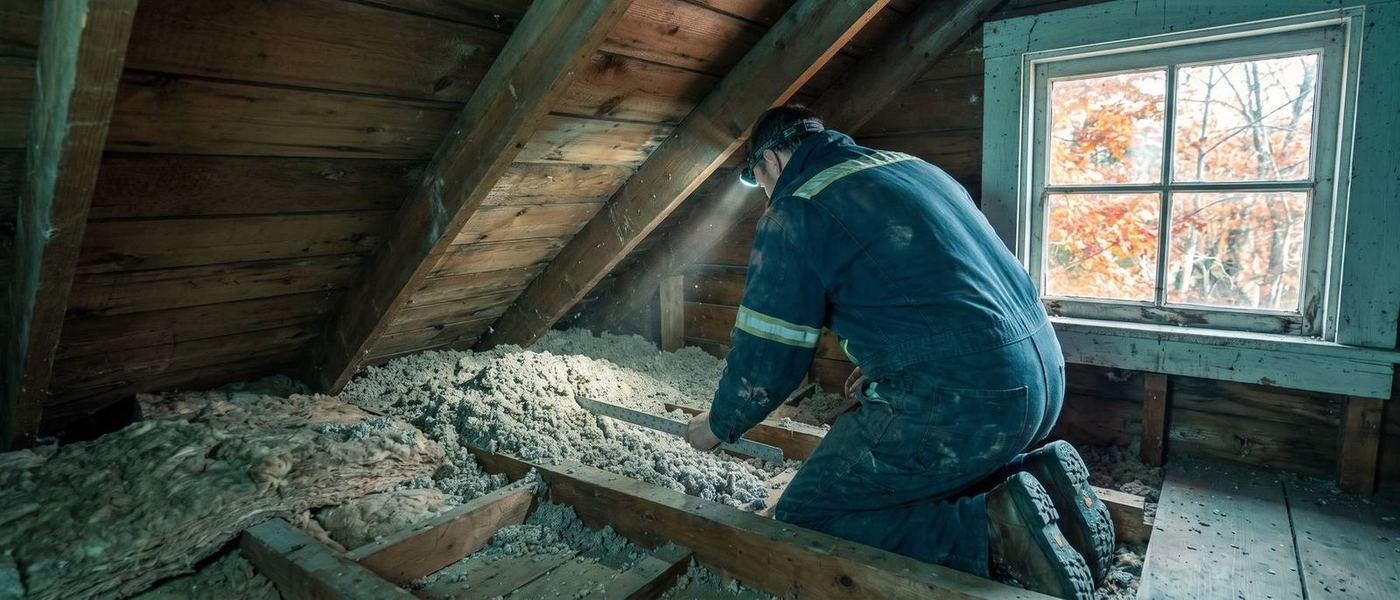
First, a trained specialist looks over your past utility bills to learn how much fuel and electricity you use. This step, taken before upgrades, shows you the whole picture: how heat is lost from your house in winter. The specialist checks your attic, walls, and basement, measuring existing insulation levels and looking for hidden air leaks. Non-toxic smoke pens, carbon monoxide detectors, moisture meters, infrared cameras, and gas leak detectors are tools auditors may use. A blower-door test is often part of in-person visits, using a doorway fan that pulls air out and reveals drafts. The appointment ends with a written weatherization report for you. A Mass Save Decarbonization Specialist is also available for a no-cost virtual consultation if you want heat pump guidance.
Rebates for Mass Save Insulation and Air Sealing
When your home is weatherized, cold drafts get sealed and insulation gets added, keeping heated air inside your rooms all winter. The report from your assessment qualifies you for no-cost targeted air sealing plus 75% to 100% off approved insulation improvements. How much money you receive back for air source heat pumps installed during 2026 also depends on finishing these upgrades:
- Whole-home heat pumps pay $2,650 for each ton, capped at $8,500, once recommended weatherization has been completed and verified.
- If a home was built in 2000 or later, or needs under $1,000 in weatherization, the whole-home rule is already met.
- Partial-home heat pump rebates pay $1,125 per ton, capped at $8,500, plus a $500 bonus once recommended weatherization is complete.
The per-ton rebates shrink on January 1, 2027: $2,350 for whole-home installs and $1,000 for partial-home installs.
Qualifying for a Mass Save Insulation Grant
Heating upgrades, air sealing, and insulation can all be covered at no cost for households with lower or moderate incomes. Through the Income Eligible Program, a household of four earning up to $103,049 gets new appliances and weatherization at no cost. Both homeowners and renters qualify once the local agency reviews prior-year income records and receives signed landlord permission.
In the Enhanced Incentive tier, moderate-income households qualify when a four-person family earns $103,050 to $137,399. In that tier, air source heat pumps receive up to $16,000, while turnkey services can bring the price down to no cost. Enhanced offers also cover up to 100% of the electrical panel upgrades required for new heat pump equipment. The state's Weatherization Assistance Program is another option for families with earnings up to 60% of State Median Income.
Using the Zero-Interest HEAT Loan to Finance Upgrades
Once your assessment is done, you can take out a zero-interest loan to cover what your upgrades still cost. With the Mass Save HEAT Loan, you can borrow between $500 and $25,000 at 0% interest and repay over up to seven years. These loans, issued by participating local lenders, cover windows, weatherization, residential batteries, heat pumps, and heat pump water heaters. You must finish a Home Energy Assessment first before this loan can be used for whole-home heat pump financing.
Mass Save electric offers are off limits to municipal electric town residents, so the state has a separate loan for them. The MLP Z-Loan is open to those customers, lending between $500 and $25,000 at 0% interest over up to five years. Mass Save advises getting two to three proposals from contractors listed in the Mass Save Heat Pump Installer Network. For heat pump installations in 2026, the rebate forms and documents have to arrive by February 28, 2027.
Frequently Asked Questions About Energy Assessments
What does a home energy audit cost?
In Massachusetts, utility sponsors offer the assessment at no cost to residential customers who qualify. Until December 31, 2025, a former federal tax credit paid 30% of audit costs, up to $150. Since that federal credit has ended, the best way to pay nothing is to book through your utility.
What does the federal weatherization program cover?
The Department of Energy Weatherization Assistance Program pays for insulation, health and safety improvements, blower-door testing, and computerized energy audits. About 32,000 low-income households get these upgrades each year, delivered by roughly 700 local agencies. Households that take part save at least $372 on average per year on their energy bills.
Should you get a home energy audit before installing a heat pump?
If you tighten your home first, you can install a smaller, cheaper heat pump that still covers your total heating load. Partial-home customers can add a $500 bonus when they size the heat pump to cover the whole house. For each $1.00 put into weatherization, national evaluations also find $2.78 coming back in benefits beyond energy savings.
How is a RESNET HERS score calculated, and what does it mean?
The HERS Index scores how efficiently a home uses energy compared with a reference home, and it is the industry standard. After testing air and duct leakage, a certified rater assigns a score in which 100 equals a 2006-standard home. Better efficiency shows up as lower numbers, so a score of 70 means 30% more efficiency than a standard new home.
How do I cover the cost of new windows or a water heater upgrade?
Weatherization centers on air sealing and insulation; if your windows qualify, though, the 0% HEAT Loan can finance their replacement. An ENERGY STAR heat pump water heater also earns a $750 rebate from Mass Save; split systems get $1,500. The water heater must be installed by a licensed plumber, and this rule covers homes of one to four units.
Get installer quotes that include your rebates
Most rebates on this page are paid through the installer or need the installer's paperwork, so the quote is where the money is settled. Tell us the ZIP code and what you want installed, and installers who work with these programs send a written price with the rebates taken off.